About
Bioerosional trace fossils are structures produced by organisms that mechanically or chemically excavate hard substrates such as shells, skeletal material, rocks, or hardgrounds. Unlike body fossils, they record behavioral interactions between organisms and substrates, providing direct evidence of organism–substrate relationships. Bioerosion includes activities such as boring, rasping, and etching, and is commonly attributed to a wide range of tracemakers, including microbes, sponges, bivalves, worms, echinoids, and grazing organisms. Preserved bioerosional traces are valuable paleoenvironmental indicators, as their morphology, distribution, and intensity reflect factors such as substrate consistency, water depth, energy conditions, and nutrient availability. Through geological time, bioerosional trace fossils document the evolution of ecological strategies, escalation, and ecosystem engineering, making them an important component of ichnological and paleoecological studies.
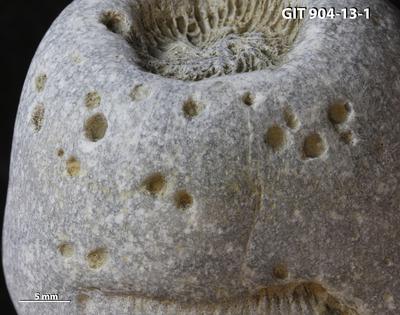
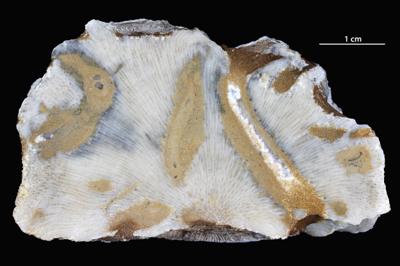
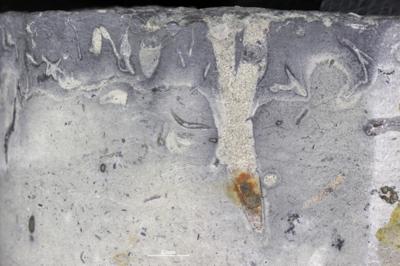
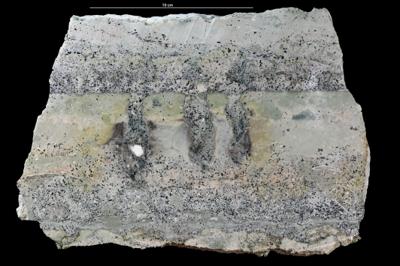
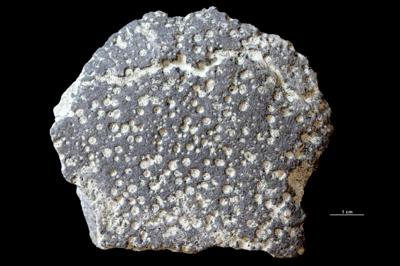
This portal and database provides access to taxonomic and bibliographic information on bioerosional trace fossils, together with images (most of which derive from the geoscience collections of Estonia).
Creation of this portal was initiated by Ursula Toom in December 2025.